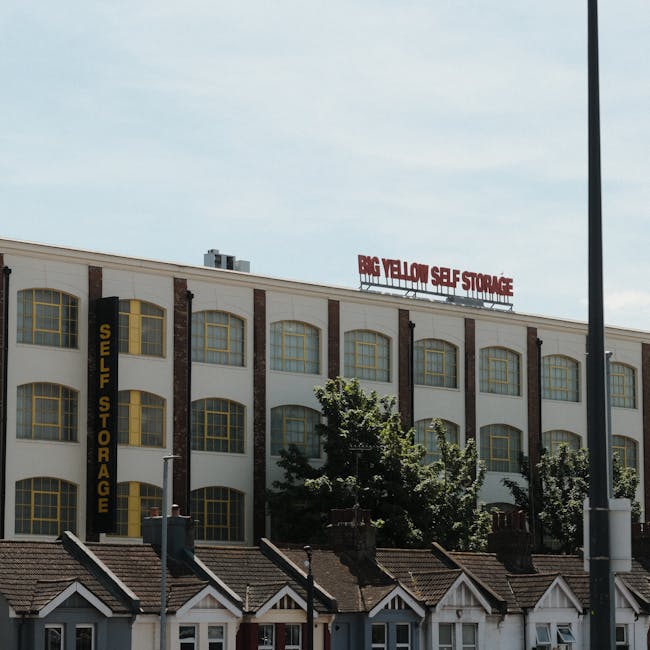
Elephant and Castle office removals for local businesses

If you run a business in Elephant and Castle, moving office can feel like one of those jobs that quietly takes over everything. One minute you are dealing with clients, staff rotas, and the usual day-to-day grind; the next you are staring at boxes, cables, printers, lease dates, and a floorplan that suddenly looks smaller than you remember. That is exactly why Elephant and Castle office removals for local businesses need a proper plan, not a last-minute scramble.
Done well, an office move can protect trading time, keep your team calm, and make the new space feel ready on day one. Done badly... well, you probably know the story already. Missing monitors, delayed IT setup, someone's only chair getting loaded into the wrong van. Not ideal. This guide walks through the process in plain English, with practical advice for local businesses that want the move handled smoothly and sensibly.
Why Elephant and Castle office removals for local businesses Matters
Elephant and Castle is busy, central, and very much alive. That is good for business, but it also means a move can get complicated quickly. There are access routes to think about, loading times to manage, lifts to book, neighbours to consider, and tight windows where traffic and footfall make everything slower than you hoped. If you have ever watched a van sit awkwardly outside while everyone waits for a lift key, you will know the feeling.
For local businesses, an office move is not just about shifting desks. It is about keeping the business open, protecting equipment, and making sure staff can get back to work without a long wobble in productivity. In a small agency, clinic, accountancy practice, design studio, or growing start-up, even a short disruption can ripple through the week.
That is why a structured commercial move matters. Good planning turns the move from a stressful interruption into a controlled project. The aim is simple: move the right things, at the right time, with as little downtime as possible. If you are comparing providers, it helps to look at their wider commercial moves experience as well as whether they offer dedicated office removals and office relocation services.
Expert summary: The best office removals in Elephant and Castle are rarely the cheapest-looking quote on paper. They are the ones that reduce risk, keep the timeline realistic, and treat your business operation like it actually matters. Because it does.
How Elephant and Castle office removals for local businesses Works
The process is usually more straightforward than people expect, but only if it is handled methodically. A decent office move tends to follow a few clear stages: survey, plan, pack, move, install, and settle. Nothing glamorous. Just a lot of careful coordination.
First comes the assessment. The removal team needs to understand what is being moved, how much there is, whether there are stairs or lifts, and what access is like at both locations. In a district like Elephant and Castle, that part matters more than people think. A building can look manageable from the outside and then turn out to have a narrow corridor, a tricky service entrance, or a very strict loading arrangement. Truth be told, that is where many moving headaches begin.
Next comes the move plan. This should cover the sequence of packing, the order items will be loaded, which teams or departments move first, and what needs special handling. IT equipment, archive files, ergonomic chairs, meeting room furniture, and anything fragile should not all be treated the same way. A good mover will also think through the return-to-work setup, which is one of those details people only appreciate after the move, usually at 8:45 on a Monday morning.
Then the physical move happens. For some businesses, this may be a full overnight relocation. For others, it is a phased approach over one or two days. If the office is small, a man with van style solution may be sufficient. Larger offices may need a bigger vehicle, such as a moving van or even moving truck capacity, depending on the inventory.
Finally, there is the setup stage. This is where furniture is placed, key items are positioned, and the new office starts to feel functional rather than merely occupied. If you have ever moved into a workplace where the printer was in one corner, the broadband router in another, and no one could find the scissors, you already know why this stage matters. A lot.
Key Benefits and Practical Advantages
There are several reasons local businesses choose professional office removals instead of trying to manage everything in-house.
- Less downtime: A planned move helps you get back to work faster.
- Reduced damage risk: Experienced movers know how to handle monitors, filing cabinets, desks, and delicate items.
- Better organisation: Labels, room planning, and item lists save a huge amount of confusion.
- Safer lifting and carrying: Office furniture is awkward, and awkward is where injuries happen.
- More predictable scheduling: A structured move is easier to coordinate around trading hours.
- Improved staff experience: People feel more confident when they know what is happening.
One of the quiet benefits, often overlooked, is morale. When a move is handled properly, staff do not spend the next fortnight wondering whether their screens, files, and chairs survived the journey. They can just get on with work. That sounds small, but it is not small.
There is also the practical side of flexibility. A move can be shaped around a weekend, evening, or quiet trading window. Some businesses prefer to combine the relocation with a refresh: a few bits of new furniture, a cleaner layout, and maybe a better storage system. If you are clearing out unwanted items, a related furniture pick-up service can be useful for old desks and surplus office pieces.
Who This Is For and When It Makes Sense
Office removals are not just for large companies. In Elephant and Castle, the businesses that benefit most are often the ones with tight margins on time and space. A move makes sense when your current office no longer fits how you work, or when the lease, layout, or location no longer supports the business.
This service is a good fit for:
- small and medium-sized businesses relocating within South London
- start-ups moving into their first proper office
- professional practices with files, desks, and client equipment
- creative studios with valuable hardware and furniture
- charities or community organisations needing careful budget control
- teams moving from shared workspace into a private office
It also makes sense if your business needs a phased relocation. For example, perhaps the team is moving in stages because the new office is not quite ready, or because some staff need to keep working while others move first. That sort of thing happens more often than people admit.
If your move is very small and mostly involves a few items, a simpler option such as a man and van arrangement may be enough. If the job is broader and includes structured packing, furniture assembly, and several departments, a more complete removal company or broader removal services approach is usually the smarter call.
Step-by-Step Guidance
Here is a practical way to approach an office move without losing your head over it.
- Set the move date early. Match it to lease deadlines, staff availability, and any access restrictions at the new office.
- Audit everything that is moving. Count desks, chairs, monitors, storage, boxes, and anything fragile or high-value.
- Decide what is staying and what is going. Moving is the perfect time to clear clutter. Be honest about what you actually use.
- Assign responsibilities. Someone should own IT, someone should own packing, someone should be the move-day point of contact. Without this, things drift.
- Label by room and function. Clear labels save time at the other end. This is one of those boring tasks that pays for itself twice.
- Protect the important stuff. Back up data, secure files, and separate valuables or sensitive materials.
- Plan access and parking. Check loading, lift access, and building rules at both ends.
- Brief staff properly. People should know what to pack, when to pack, and where things will land.
- Move in the right order. IT, core furniture, and essential documents usually come first.
- Test the workspace. Check power, internet, seating, and basic setup before declaring the move finished.
A small but useful tip: create a "day one survival box" for each department. Think chargers, notepads, spare pens, extension leads, tea bags, tissues, and any key documents needed immediately. It sounds almost too simple, but it prevents those slightly frazzled first-hour moments when everyone is looking for the one thing no one packed.
Expert Tips for Better Results
Having helped shape smoother relocations, a few habits consistently make the biggest difference.
1. Build the move around business continuity
Do not organise the move as if the office is empty. Organise it around how the business actually works. Which hours are busiest? Which staff members cannot afford disruption? Which systems need to be online first? These questions sound obvious, but they often get skipped.
2. Separate furniture from information
Desks can be replaced more easily than client files, contracts, or hard drives. Keep information and equipment under tighter control than furniture. Put someone sensible in charge of it. Ideally the person who does not lose their phone every other day.
3. Use photos before dismantling
Before taking apart desks, shelving, or meeting tables, take quick photos. That way reassembly is much easier, especially when several similar items are being moved. A couple of phone snaps can save a lot of head-scratching later.
4. Think about the new layout in advance
It is far easier to place items correctly if the new floorplan is marked up before moving day. Even a rough sketch helps. You do not need perfection. You need clarity.
5. Keep a clear line of communication
On moving day, the fastest way to waste time is by having three people answering the same question differently. One point of contact, one plan, one source of truth. Nice and simple.
If you are comparing providers, it is worth reviewing practical service details like packing and unpacking services, insurance and safety information, and how quotes are built. The details matter more than glossy promises.
Common Mistakes to Avoid
Office moves tend to go wrong in predictable ways. The good news is that most of them are avoidable.
- Leaving planning too late. This causes rushed decisions, poor packing, and avoidable downtime.
- Underestimating access problems. A few extra minutes checking the entrance can save hours later.
- Not labelling boxes clearly. Unclear labels create chaos at the destination. Simple as that.
- Forgetting IT dependencies. Printers, servers, network gear, and cables are often treated as an afterthought. Bad idea.
- Moving too much clutter. The old "we might need it one day" habit adds cost and confusion.
- Not checking insurance. You want to know what is covered before anything gets loaded.
- Assuming staff will just figure it out. They usually will not. Not on moving day.
A very common issue is the half-packed office. A few drawers are still full, someone has left files on a windowsill, and two monitors are unplugged but not labelled. That sort of thing turns into delay very quickly. Not dramatic, just annoying in a way that drags on all day.
Tools, Resources and Recommendations
You do not need a complex toolkit to manage an office relocation, but a few simple resources make the process smoother.
- Inventory list: Track every item that is moving, staying, or being disposed of.
- Floorplan sketch: Helps with furniture placement and room allocation.
- Colour-coded labels: Useful for departments, rooms, or priority items.
- Box markers and tape: Basic, yes, but absolutely essential.
- Device checklist: Record monitors, docks, keyboards, chargers, and peripherals separately.
- Move-day contact sheet: Keep names, numbers, and responsibilities in one place.
If you need extra help with the practical side, it can be sensible to look at a company's wider movers capability and whether they can provide the right vehicle size, from removal van support to larger transport options. The right vehicle can make a surprisingly big difference, especially where access is tight and turnaround time is limited.
It is also worth checking sustainability considerations if your business cares about waste reduction. Responsible handling of unwanted furniture, cardboard, and packaging can reduce the mess after the move and make the handover feel much cleaner. For that side of things, see the company's recycling and sustainability information.
Law, Compliance, Standards, or Best Practice
For office removals, compliance is mostly about being careful, organised, and responsible. The exact legal duties depend on the business, the building, and the type of items being moved, so it is best to treat this section as general best practice rather than formal legal advice.
In practical terms, local businesses should think about:
- Health and safety: Manual handling, trip hazards, stacking, and lifting procedures matter during office moves.
- Insurance: Make sure you understand what cover applies to equipment, goods in transit, and accidental damage.
- Data protection: Sensitive paperwork and devices should be moved securely and not left exposed.
- Building rules: Some properties have time windows, lift booking rules, or loading restrictions.
- Fire and access routes: Keep corridors and exits clear during packing and loading.
A reliable provider should be able to talk through their approach to safety clearly and without making it sound like a sales script. That includes things like their health and safety policy, insurance and safety arrangements, and standard working practices. If they cannot explain those basics in plain English, that is worth noticing.
You should also check commercial terms properly. Move dates, cancellations, parking responsibilities, access assumptions, and payment expectations should all be understood before anyone starts lifting. A well-written terms and conditions page is not exciting reading, I know, but it can prevent misunderstandings later.
Options, Methods, or Comparison Table
Different office moves call for different approaches. Here is a straightforward comparison to help you think it through.
| Option | Best for | Strengths | Watch-outs |
|---|---|---|---|
| Man and van | Very small office moves or partial relocations | Flexible, practical, often quick to arrange | Limited capacity for larger furniture or multiple departments |
| Dedicated removal van | Small to medium office moves | Better structure, more capacity, still nimble | Needs proper planning to avoid multiple trips |
| Full office removals team | Businesses with several rooms, furniture sets, or sensitive items | More coordination, better handling, less stress | Usually requires more lead time and clearer planning |
| Truck-based move | Heavier or higher-volume relocations | Good for bigger loads and reduced repeat journeys | Access and loading space must be checked carefully |
In real life, the choice often comes down to scale and risk. A tiny studio with a couple of desks does not need the same setup as a 20-person office with archive storage and IT gear. That sounds obvious, but people still overbuy or underbuy the move. Both are expensive in their own way.
Case Study or Real-World Example
Imagine a small design studio in Elephant and Castle moving from a shared workspace into a larger independent office nearby. The team has eight desks, several monitors, a plotter, a few filing units, and a lot of fragile design samples. Nothing outrageous, but enough to make a messy move if handled casually.
Instead of trying to do everything after hours with random helpers and three borrowed cars, the business books a planned office relocation. The movers visit first, note access issues, identify the larger equipment, and agree a sequence: packing on Thursday afternoon, moving on Friday evening, setup first thing Saturday. That gives the team a clean Monday start.
The owner prepares a simple floorplan. Staff label personal items and keep critical files separate. IT equipment is backed up and boxed safely. The old furniture that will not fit the new layout is arranged for removal. The move itself takes longer than everyone hoped, as these things always do a bit, but the team arrives on Monday to a functional office rather than a pile of mystery boxes.
The real win is not that everything was perfect. It was that the business stayed in control. No panic, no missing essentials, no wondering where the printer cable vanished to. Just a slightly tired team and a fresh start. That is often what a good office removal looks like in practice.
Practical Checklist
Use this checklist to keep the move on track.
- Confirm the move date and timing
- Audit all furniture, tech, and files
- Decide what stays, what moves, and what is discarded
- Notify staff and assign responsibilities
- Back up data and secure sensitive documents
- Measure access points, lifts, and loading areas
- Label boxes by department and room
- Prepare a day-one essentials box
- Check insurance, safety, and terms before the move
- Plan the new office layout in advance
- Test power, internet, and equipment setup at the destination
- Review any waste or furniture disposal needs
If you are getting quotes, it helps to compare like with like. Ask what is included, whether packing support is available, how access issues are handled, and whether there are extra costs for waiting time, stairs, or specialist handling. A transparent pricing and quotes page can be a useful starting point when you are comparing options.
Conclusion
Elephant and Castle office removals for local businesses are really about continuity. Yes, the furniture has to move. Yes, the boxes have to arrive. But the bigger goal is to keep your team working, your customers unaffected, and your business steady while the location changes around it.
With proper planning, clear communication, and the right level of support, an office move does not need to be chaotic. In fact, it can be a chance to reset the workspace, remove clutter, and make the office better than before. Not perfect. Just better. And sometimes that is exactly what a business needs.
Get a free quote today and see how much you can save.
When you are ready, a careful conversation at the planning stage can save a lot of stress later. And that, honestly, is where the real value lives.
Frequently Asked Questions
How far in advance should I book office removals in Elephant and Castle?
It is sensible to book as early as you can, especially if your move needs to happen around a lease deadline, over a weekend, or within a narrow access window. For a small office, a shorter lead time may still work. For larger or more complex relocations, earlier is much safer.
What is usually included in an office removal service?
That depends on the provider, but it often includes loading, transport, unloading, and basic placement at the new premises. Some teams also offer packing, unpacking, furniture disassembly, and help with larger items. Always check exactly what is included so there are no awkward surprises.
Can a small business use a man and van for an office move?
Yes, if the move is small and straightforward. A man and van setup can work well for a few desks, boxes, and light equipment. If you have a lot of furniture, delicate hardware, or more than one department to move, a bigger service is usually a better fit.
How do I reduce downtime during an office relocation?
Plan around business hours, move in stages if needed, and make sure IT and essential equipment are prioritised. Clear labelling, a detailed floorplan, and a day-one essentials box also help. The aim is to get the office usable quickly, not just empty and moved.
What should I do with old office furniture I do not want anymore?
Separate it early. Some items may be suitable for reuse or collection, while others may need recycling or disposal. If you are clearing out surplus desks or chairs, a furniture pick-up arrangement can make that part easier and keep the move tidier.
Do office movers handle sensitive documents and equipment?
They can, but it is wise to confirm how those items will be packed, labelled, and protected. Sensitive files should be secured, and valuable equipment should be tracked carefully. Do not leave that stuff mixed in with general office clutter.
How do I know whether I need office removals or just removal services?
If your move is a full workplace relocation, office removals or office relocation services are usually the better match. If you only need to move a smaller number of items, broader removal services or a more compact setup may be enough. The scale of the move should guide the decision.
What should I check before confirming a quote?
Check the scope of work, access assumptions, timing, insurance, packing support, and any extra charges for stairs, waiting, or additional stops. A low quote is not helpful if it leaves out half the job. Ask direct questions. It saves hassle later.
Is insurance important for office removals?
Yes, absolutely. Even with careful handling, accidents can happen. You should understand what is covered for goods in transit and whether there are any exclusions. Good providers will explain this clearly rather than hiding behind vague language.
What makes office removals in Elephant and Castle different from a normal move?
Commercial moves often involve access restrictions, tighter schedules, more equipment, and a stronger need to minimise downtime. In a busy area like Elephant and Castle, building access and transport logistics can also play a bigger role. It is not just a domestic move with desks added on.
Should staff pack their own desks?
Usually, yes, for personal items and day-to-day desk contents. That helps people keep control of what they use and reduces confusion. Shared equipment, files, and larger items are better handled through a central plan. A bit of structure goes a long way.
What is the best way to prepare for move day?
Start early, label clearly, back up data, and make sure everyone knows the timetable. Keep the essentials accessible and separate anything fragile or confidential. If you can, do a final walk-through of the office the day before. It catches the small things you missed. And there is always one small thing.