Removal Companies in Elephant and Castle

Removal companies in Elephant and Castle need to handle busy streets, mixed building types and a wide range of moving requirements with care. Our removals service is designed to support household and business customers who want organised transport, practical loading and a straightforward way to move items safely. We can help with single-room moves, full property removals and smaller van-based jobs, with the aim of keeping the process clear from the first enquiry through to the final handover.
Our work is centred on planned, efficient removals rather than a one-size-fits-all approach. That means considering access, item sizes, packing needs and the level of support you want. Whether you are moving from a flat, a maisonette, an office or a storage unit, the service can be shaped around the load. If you are comparing options, it can help to start with our removal services and then narrow things down to the type of move you need.
For many customers, the key decision is not simply how much needs to be moved, but how the move should be handled. A good removals plan considers furniture handling, careful stacking in the vehicle, and the right balance between speed and protection. If you are ready to talk through the details, a plain-text request for a quotation is a sensible next step.
House moves, flat moves and everyday domestic removals
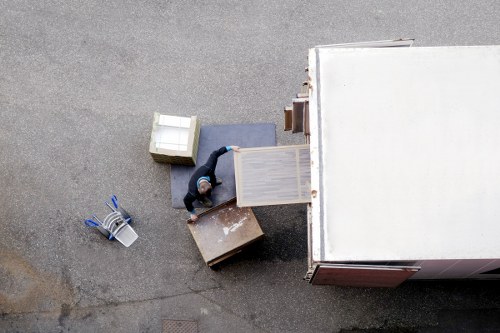
Domestic removals often need a practical mix of care and flexibility. In Elephant and Castle, that may mean working around lifts, stairwells, controlled entry points or limited parking, but the essential service remains the same: moving household belongings in a structured way. We can support customers who need a full home removal as well as those who only want a small part-load transported securely. The aim is to match the vehicle, the loading method and the sequence of work to the property and the contents.
For larger home moves, it helps to think about the items that need the most protection. Sofas, beds, wardrobes, white goods, mirrors and boxed belongings all have different handling needs. A move is usually smoother when the heavier pieces are loaded first and the more delicate items are kept separate. If you want to see the broader domestic options available, home moves and house removals give a useful sense of the service range.
How the domestic move is organised
Good domestic removals are built on simple choices made in the right order. Start with what needs dismantling, what can remain assembled, and which items should travel upright rather than flat. Where there are awkward or oversized pieces, it is often better to plan the load in advance instead of making last-minute adjustments on moving day. You can also use a smaller, more focused service if the move is limited to a few items or a single room, which can be particularly useful when the load is light but still needs proper handling.
Packing support and careful preparation before collection

Packing affects both the safety of the move and how quickly the load can be managed. Customers often choose a removals service not just for transport, but for help in making belongings ready for the journey. That can include supplying boxes, keeping similar items together, and preparing furniture so it can be moved without unnecessary strain. If you need a fuller service, packing and unpacking services can be a useful part of the overall plan, especially when time is limited or there are fragile belongings to organise.
It is usually sensible to prepare a short inventory of larger items and note anything that needs extra care. This makes it easier to judge the space required and decide whether one vehicle or more than one trip will be appropriate. It also helps to separate items that should not be mixed with general furniture, such as paperwork, valuable electronics or easily damaged decorative pieces. A clear list does not need to be complicated; it just needs to be accurate enough to support the move.
Useful preparation points are often simple: label rooms on boxes, keep pathways clear where possible, and make sure disassembly tools or keys are easy to find if furniture must be taken apart. If you are looking at a move involving several stages, you can ask for a quotation after noting the main items, access details and any packing help you want. That information makes it easier to match the service to the job rather than offering a vague estimate.
Man and van removals for lighter loads and flexible transport
Not every move calls for a full-size removals team and vehicle. In some cases, a lighter service is more suitable, especially where the load is limited to furniture pieces, a few boxes, or items going to storage. A man and van style service can suit these situations because it keeps the operation simple while still providing a proper removals approach. It is often chosen when customers want practical help without booking more capacity than they need.
Smaller jobs can still require good planning. A compact move may involve one large wardrobe, a washing machine, several desks or a mix of boxed items and household equipment. Careful loading matters just as much as it does on bigger removals, particularly when the vehicle must be arranged to prevent shifting in transit. If your requirements are modest but still need dependable handling, man with van and moving van pages can help you judge which style fits best.
The advantage of a lighter removals arrangement is its flexibility. It can be useful for collection and delivery work, partial property clear-outs, student moves, storage transfers and furniture transport. What matters most is choosing the right vehicle size for the load and making sure the job is described accurately from the outset. That avoids unnecessary disruption and helps the move stay efficient.
Office removals and commercial moving support
Commercial removals are different from domestic moves because they have to support continuity as well as transport. Office removals may involve desks, chairs, filing cabinets, IT equipment, meeting-room furniture and packaged documents, all of which need a sensible order of handling. A well-planned move can reduce disruption by grouping items by department, floor or function, so that unloading and reassembly are easier at the destination.
When a business is relocating, access details and item lists are especially important. It is usually helpful to note whether lifts are available, whether the load includes fragile screens or servers, and whether some items need to be separated for confidential handling. If you need a dedicated commercial option, office removals and commercial moves show the types of service that may be relevant to workplaces, studios or other business premises.
Working around business schedules
Business removals often need to fit around opening hours, staff access and the use of shared spaces. Even where the job is straightforward, it can help to divide the work into clear stages: preparation, loading, transport and set-down. That structure makes it easier to keep track of what is leaving, what is arriving and what still needs attention. A quotation is usually more accurate when the property type, the quantity of items and the level of packing support are all explained clearly.
Vehicles, loading methods and the right size of removals team

The right removals vehicle is not just about capacity; it is about how the load will be secured, accessed and unloaded. A small flat move may need only a compact van, while a larger family property or an office relocation may call for more space and a different loading arrangement. Choosing between a removal van, a removal truck hire option or a more tailored vehicle setup depends on the quantity, dimensions and weight of the items involved.
Vehicle choice should also reflect the route through the property. Narrow hallways, basement stairs, shared entrances and awkward parking can all influence how the work is done. In some situations, the best approach is not to chase the largest vehicle but to use the most suitable one. That is why clear information about furniture size, boxed volume and access restrictions is so useful when asking for a quotation.
Loading decisions are part of the service, not an afterthought. Heavy furniture is usually placed to create a stable base, and smaller packed items are arranged to reduce movement in transit. Delicate items may need separate protection or a more careful position in the load. A good removals plan is practical rather than flashy, and that usually gives the best result for the customer.
Furniture pickup, part-load transport and one-off collections
Some customers do not need a full property move and instead want a company that can collect and deliver specific furniture or a limited number of items. That can include purchases from retailers, second-hand pieces, spare office furniture or belongings being transferred to another location. A furniture pick-up service is useful when the priority is secure handling and efficient transport rather than a full removals package.
Part-load work can be especially practical when you are moving only selected items from a property or when the items are too bulky for ordinary transport. It helps to measure larger pieces in advance and note whether anything can be dismantled. If you are weighing up a one-off collection against a broader move, browsing removals near me and removals can help you compare the available approaches in a straightforward way.
For this type of work, accuracy matters more than volume. A concise description of each item, the collection point and the delivery point gives a clearer basis for planning than a general request. If there are stairs, tight corners or items with glass, take care to mention those details as well. Small jobs still benefit from proper preparation, because the handling requirements are often just as specific as they are on larger moves.
About Elephant and Castle
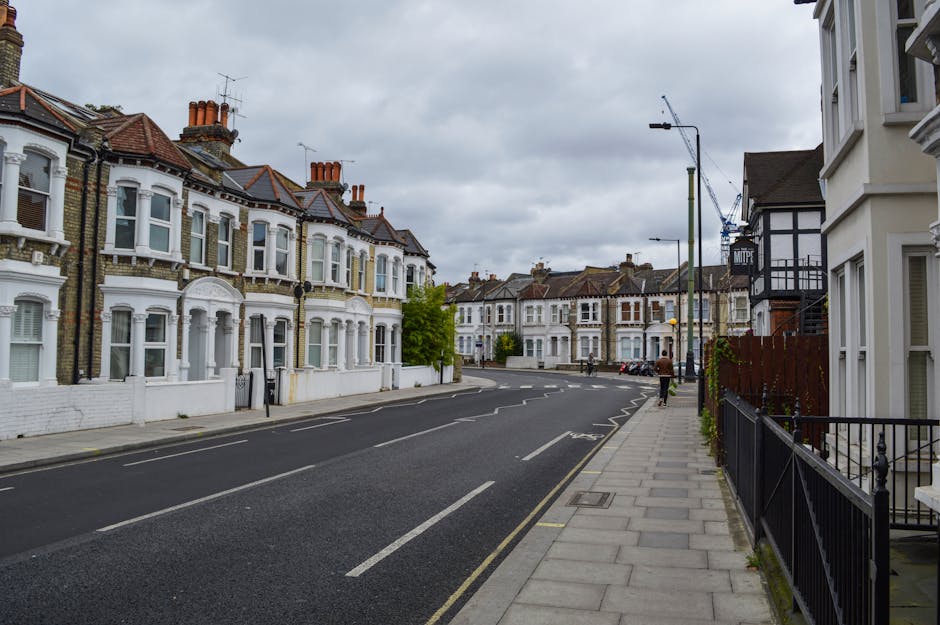
Elephant and Castle is a district in central and south London within the London Borough of Southwark, long known as a major junction and a place of constant change. Its name is older than the modern shopping and transport area, and the district has developed through successive waves of redevelopment linked to roads, railways and post-war planning. The Elephant and Castle roundabout became one of the capital’s better-known traffic features, while the surrounding area has been reshaped repeatedly by housing renewal, transport works and commercial change. Today the district sits close to the southern edge of the City of London and the West End, making it part of a wider urban corridor rather than an isolated neighbourhood. The area is served by Elephant & Castle station on the Underground and National Rail network, and by several major routes that connect the centre with south London. Cultural life is visible in places such as the Ministry of Sound, a long-running nightclub with an international reputation, and in nearby institutions including the University of the Arts London’s Camberwell, Chelsea and Wimbledon colleges, whose roots in the broader area reflect the district’s creative and educational links. The local landscape includes large-scale residential and commercial schemes, older streets that survived redevelopment, and open spaces such as the nearby Geraldine Mary Harmsworth Park, which sits beside the Imperial War Museum. Architecture in the district ranges from twentieth-century housing blocks to newer mixed-use developments, creating a varied streetscape that reflects decades of planning and rebuilding. The area’s character has often been shaped by movement: commuters, shoppers, residents and visitors all pass through it, and that constant circulation has helped define its identity within inner London. Because of that, Elephant and Castle is often discussed as both a destination and a passage point, with its history tied to transport, settlement and urban change.
Household access, timed loading and careful handling choices

Access can be one of the most important parts of a removals job, especially in a dense urban area. Stairs, shared hallways, lift bookings, controlled entrances and loading restrictions all affect how long a job takes and how it should be planned. A clear description of these details helps the move run more smoothly and allows the service to be matched to the property. If access is difficult, it is better to say so directly than to let the move become improvisation on the day.
Timed loading is also worth considering when there are neighbours, building rules or business premises involved. Some jobs are best handled early in the day, while others need to fit around building access or opening times. The more precisely the move is described, the easier it is to organise the right sequence of work. A quotation request does not need to be long; it just needs to mention the main furniture, the number of rooms or items and any access limits that may shape the schedule.
When you are ready to compare options, keep the request straightforward and focused on what needs to be moved. A brief summary of the service you want, the property type and the destination is usually enough to begin. If you would like to take the next step, contact us for a quotation.
Pricing factors, service choices and quotation requests
Removal pricing is usually shaped by the load size, the distance involved, the type of vehicle needed and the level of packing or lifting support required. Stairs, restricted access, delicate items and awkward furniture can all influence how much time a job needs. That is why accurate details matter more than broad estimates. If you want to understand the likely scope before making a decision, pricing and quotes is a useful place to review the main factors that may affect a move.
Sometimes the decision is between a full removals package and a smaller, more focused service. In those cases, looking at the type of load is the best starting point. A single bulky item, a flat’s contents or an office clearance all point toward different planning choices. You may also find it helpful to consider whether you need support with packing, transport only, or a more complete collection-and-delivery arrangement. A clear quotation request helps bring those choices into focus without making the process complicated.
When you are ready, ask for a quotation in plain terms: what needs moving, where it is going, and what help you want with the handling. If you also want to compare the main service pages first, you can review removal company and removal companies for a broader overview, then choose the option that best fits your move. Request your quotation when you are ready.